


El Haouaria, at the tip of Cap Bon
Published on 29 Oct 20263 min read
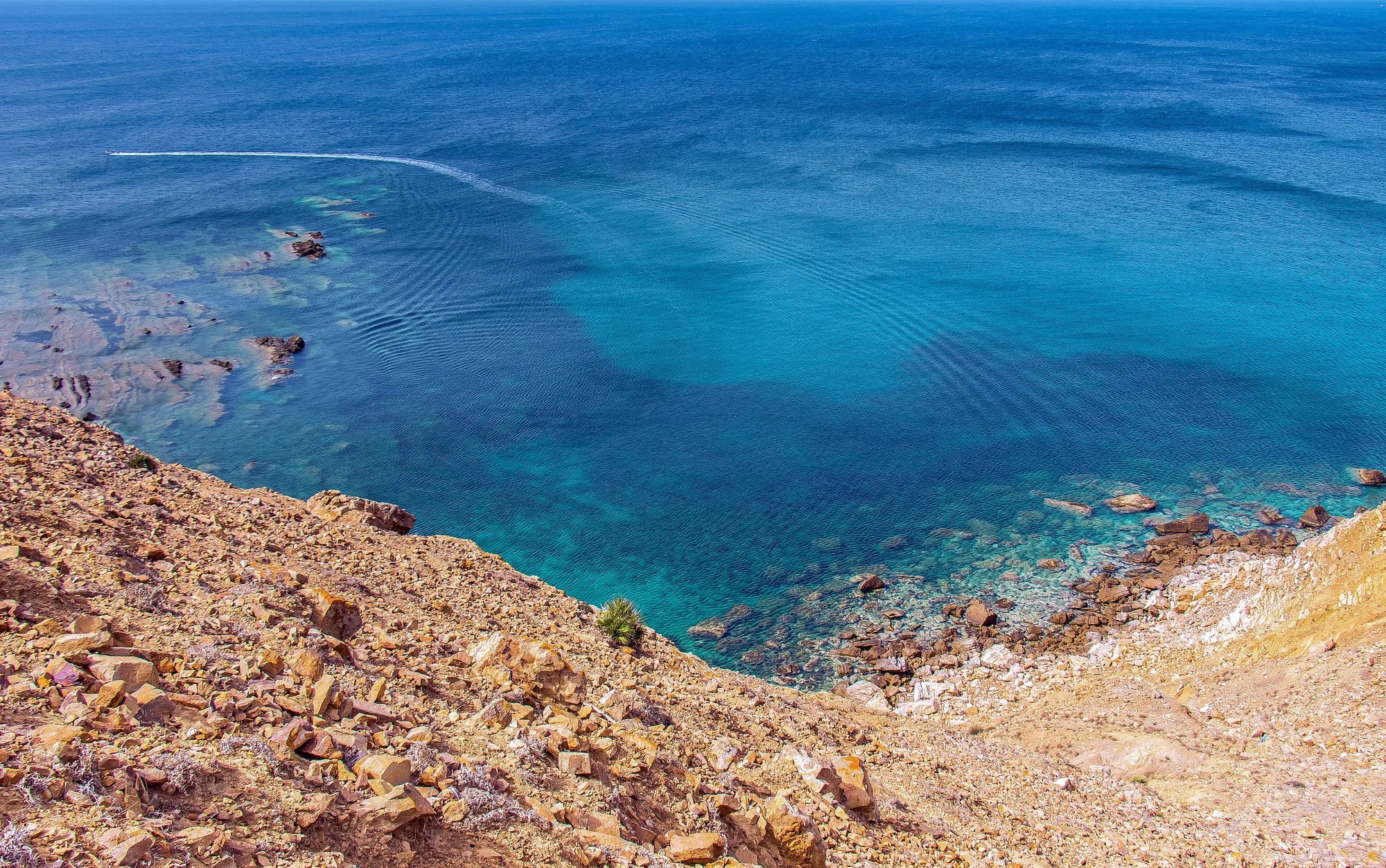
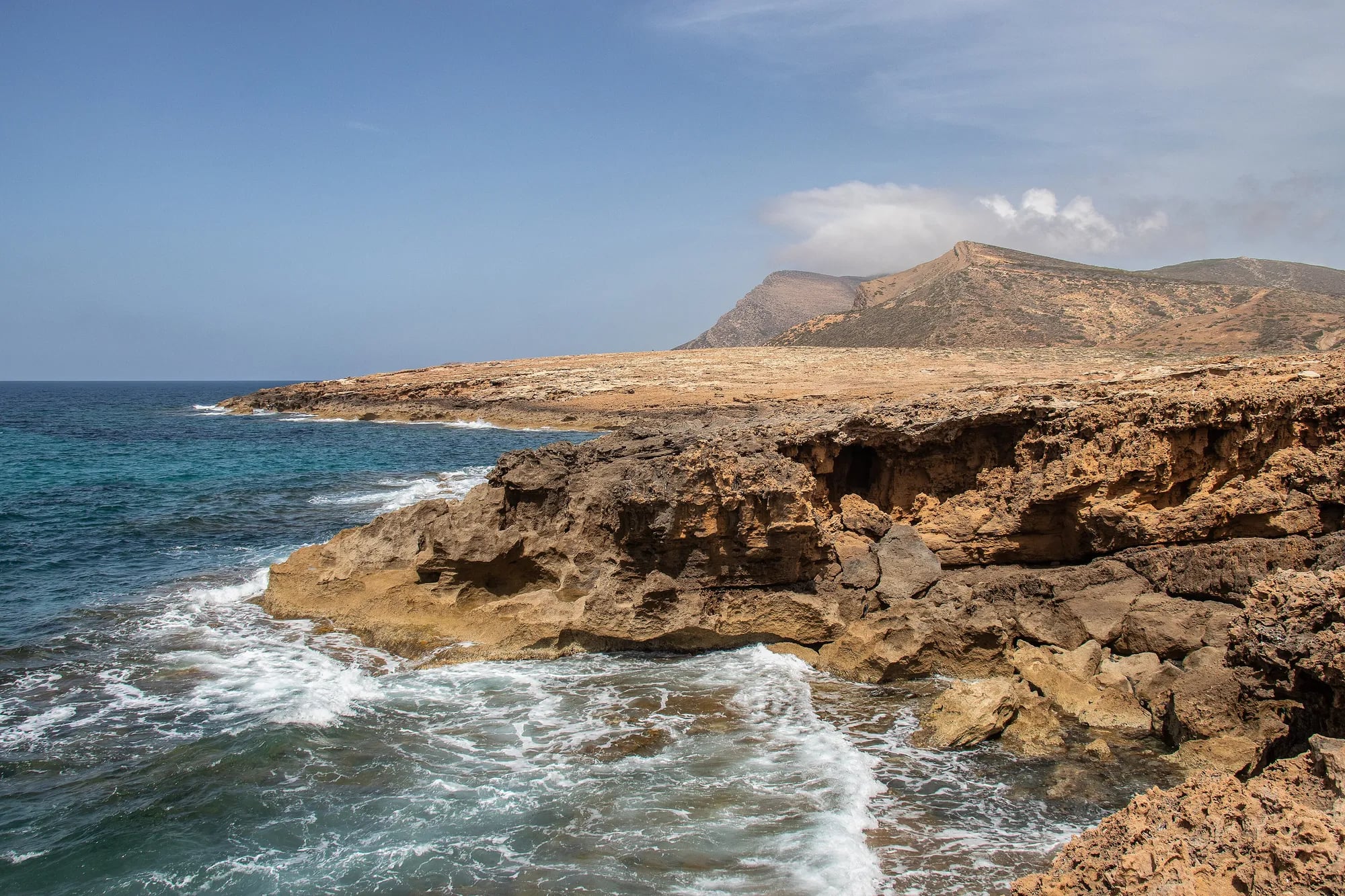
A turquoise cove below the cliffs of El Haouaria · Photo: Smailtn · CC BY-SA 4.0
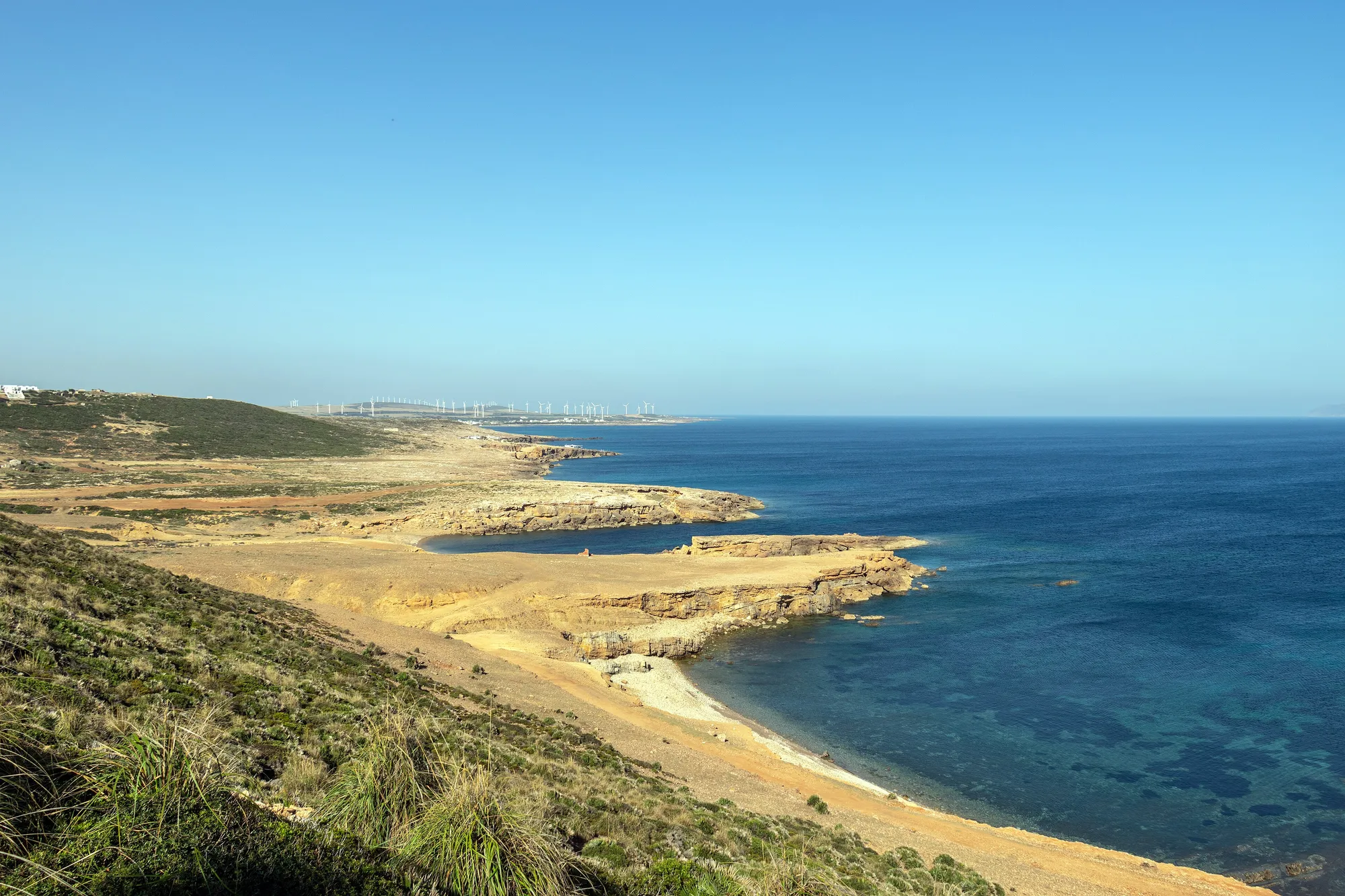
At the north-eastern tip of Cap Bon, where Tunisia looks out towards Sicily, El Haouaria sits between a mountain covered in scrubland and a sea of an almost unreal blue. A village of fishermen and farmers, ancient quarries open to the waves, falcons on the fist: here is what awaits you a few minutes from the residence.
The Ghar el Kebir caves
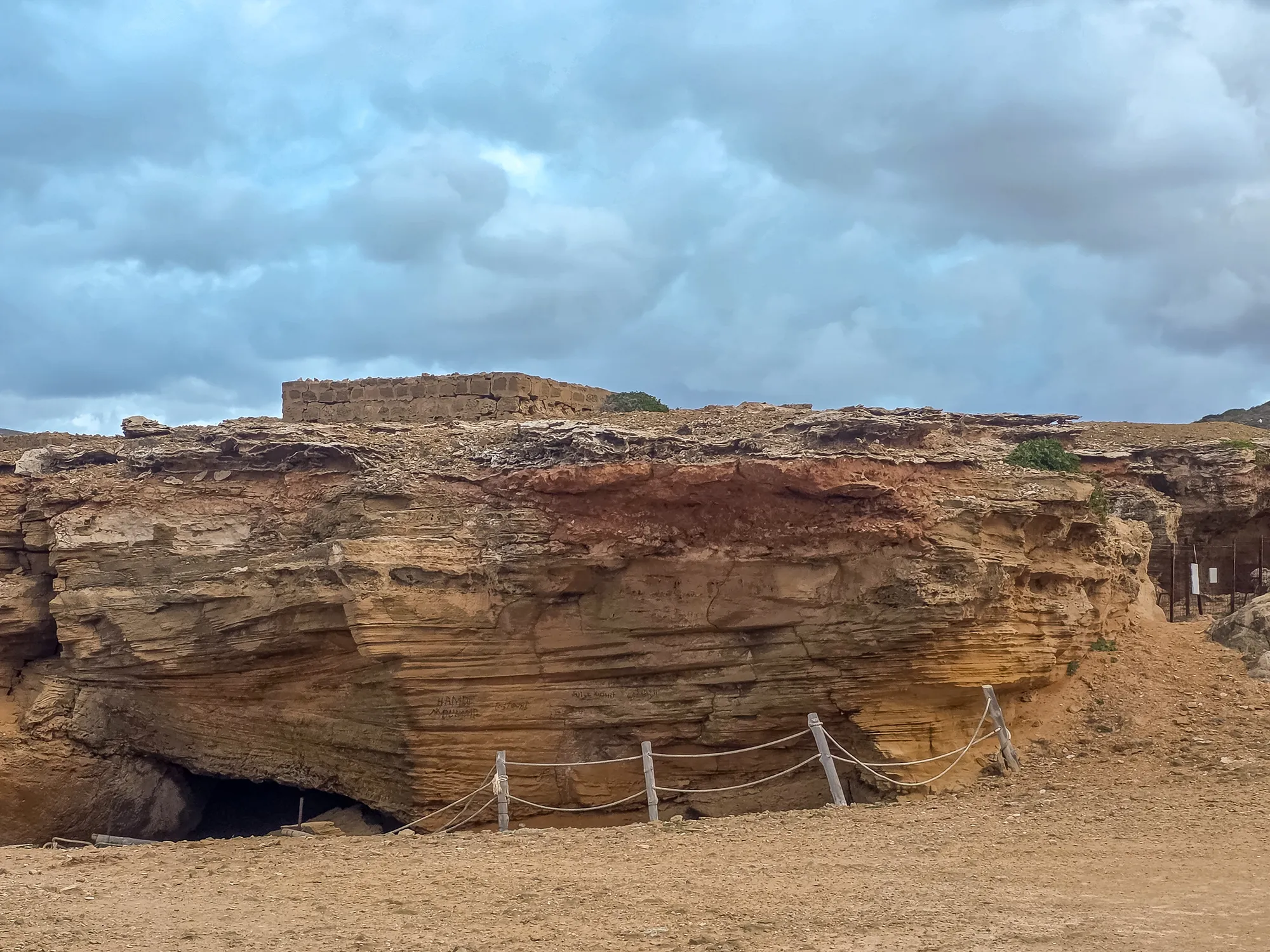
Just outside the village, at the foot of the djebel, the cliff is pierced with great halls carved by hand. They are ancient quarries: for centuries, Punic and then Roman stonecutters extracted the golden sandstone that was shipped across the water to build Carthage and the towns of the coast.
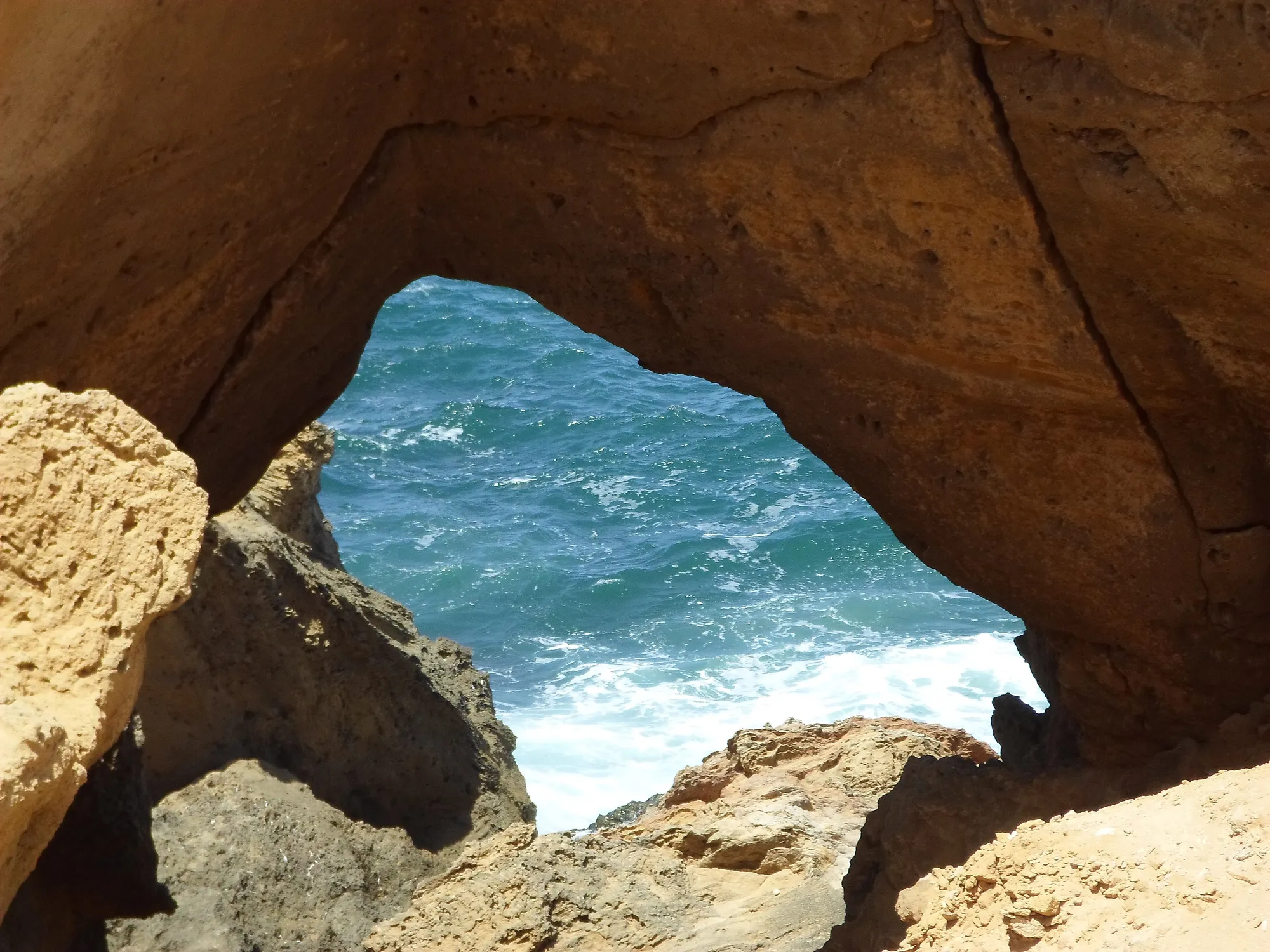
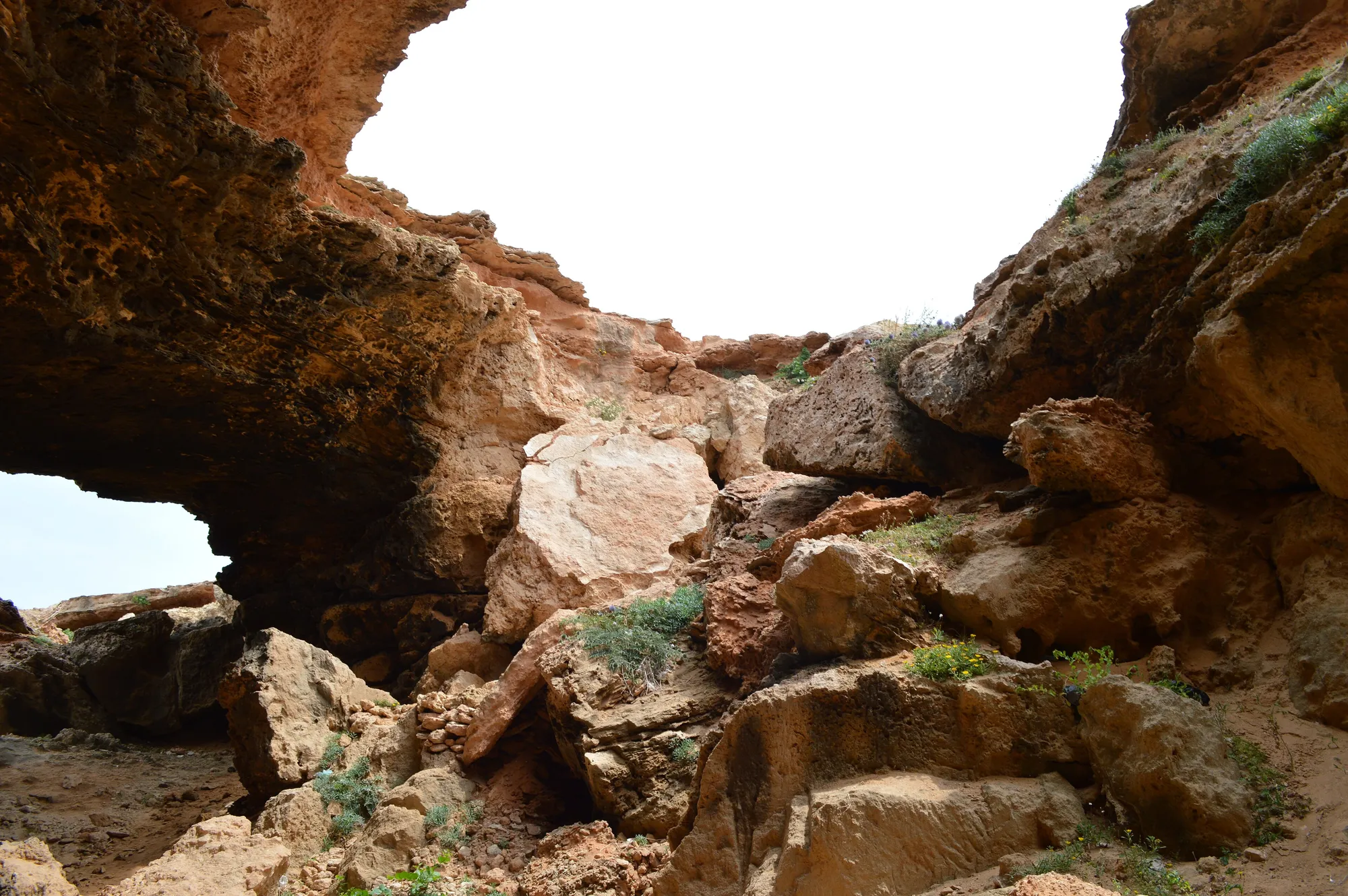
The galleries, as high as church naves, are lit through openings in the rock; some open straight onto the sea. Come in the late afternoon, when the low sun makes the stone glow, and wear good shoes: the ground is sandy and uneven.
The djebel and the passage of raptors
Djebel El Haouaria rises 390 metres above the cape. In spring it becomes one of the best observation points in the Mediterranean: birds of prey and storks flying north from Africa gather here before crossing to Sicily, less than 150 kilometres away, where the central Mediterranean is at its narrowest.
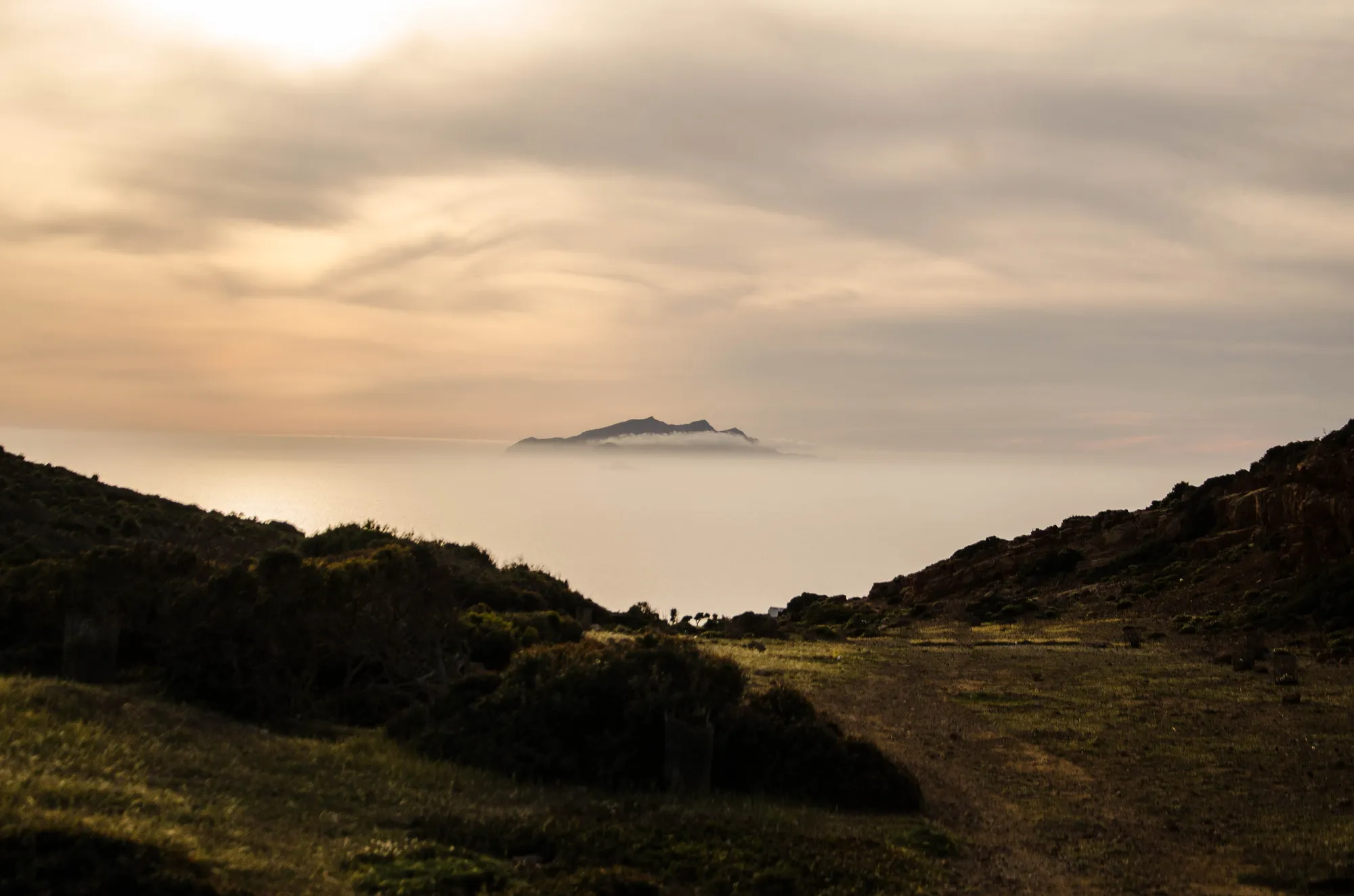
The site is recognised as an Important Bird Area. From March to May, a pair of binoculars is enough to watch kites, buzzards and harriers go by; the trails climbing to the ridges also give you a view of Zembra and, on clear days, of the whole tip of Cap Bon.
Falconry, a living tradition
El Haouaria is the Tunisian capital of falconry. Every spring, the village falconers catch young sparrowhawks and falcons during their migration, train them patiently, hunt quail with them through the season, then set them free.
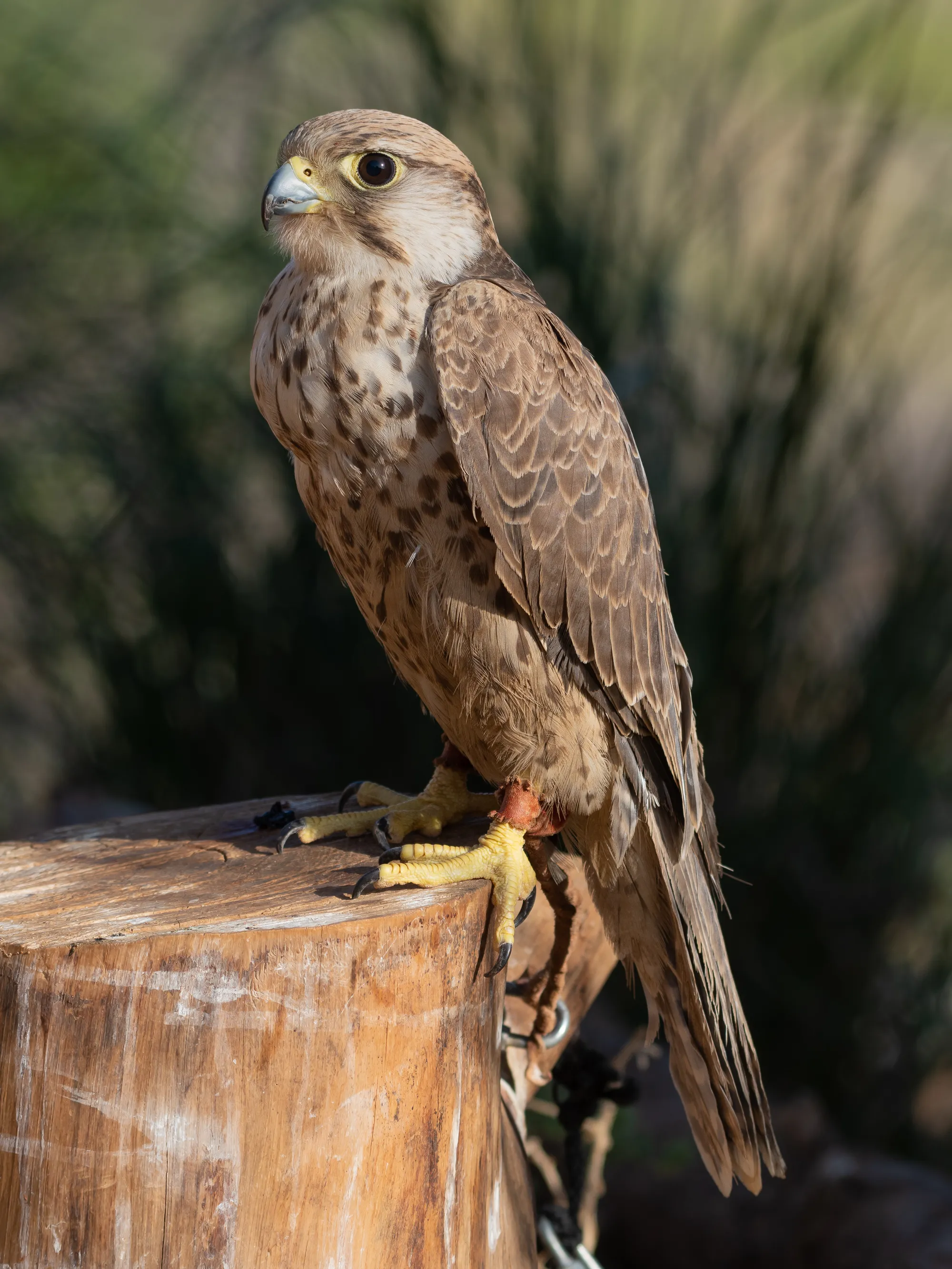
The tradition is celebrated in June with the Sparrowhawk Festival: flying displays, contests between falconers, music and celebrations in the streets. If your stay falls at that time, don't miss it.
Zembra, the island opposite
Facing the village, the island of Zembra and its little sister Zembretta rise from the sea like two mountains set on the water. Protected as a national park, they are home to seabird colonies and some of the best-preserved seabeds in the country.
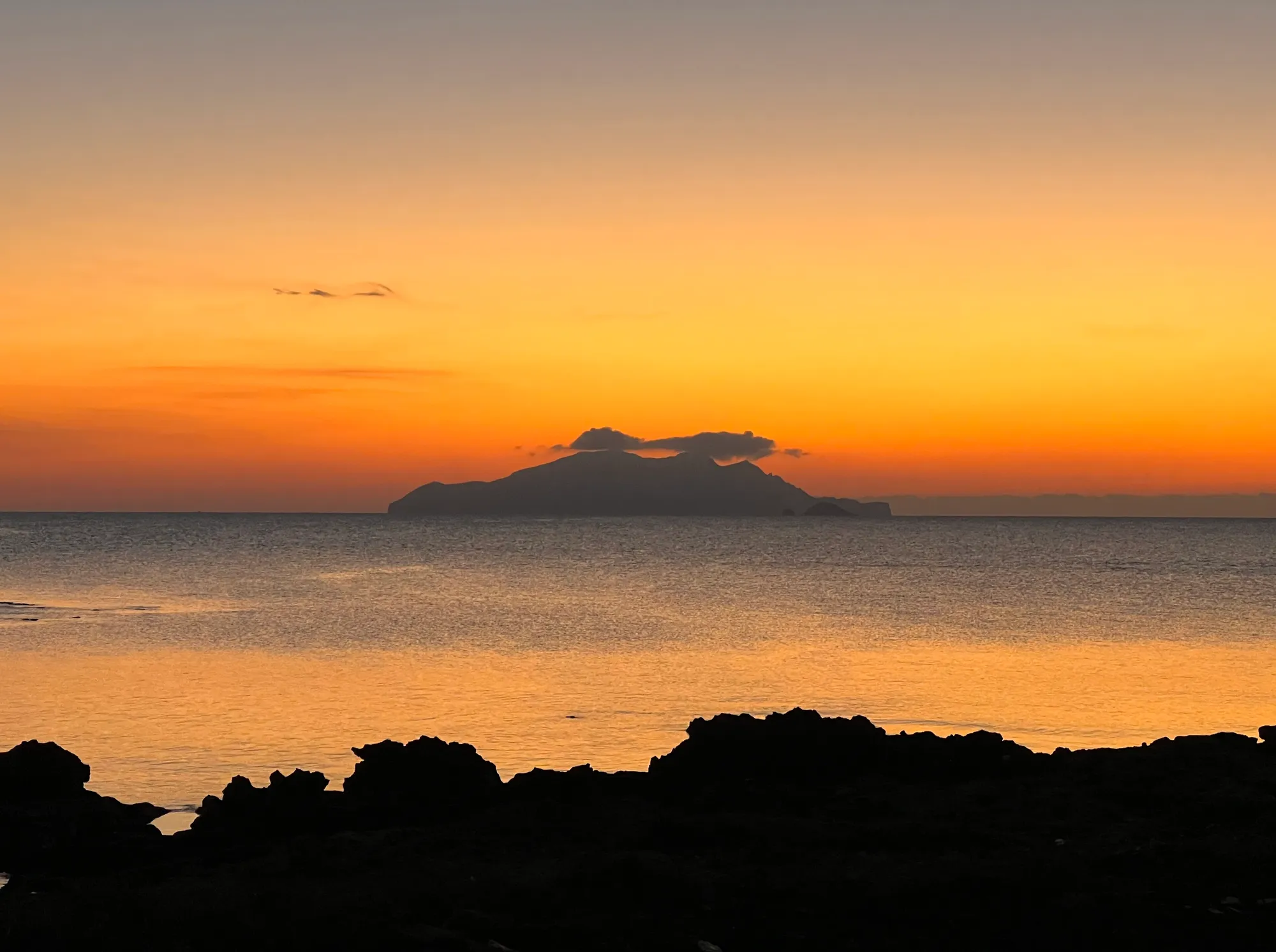
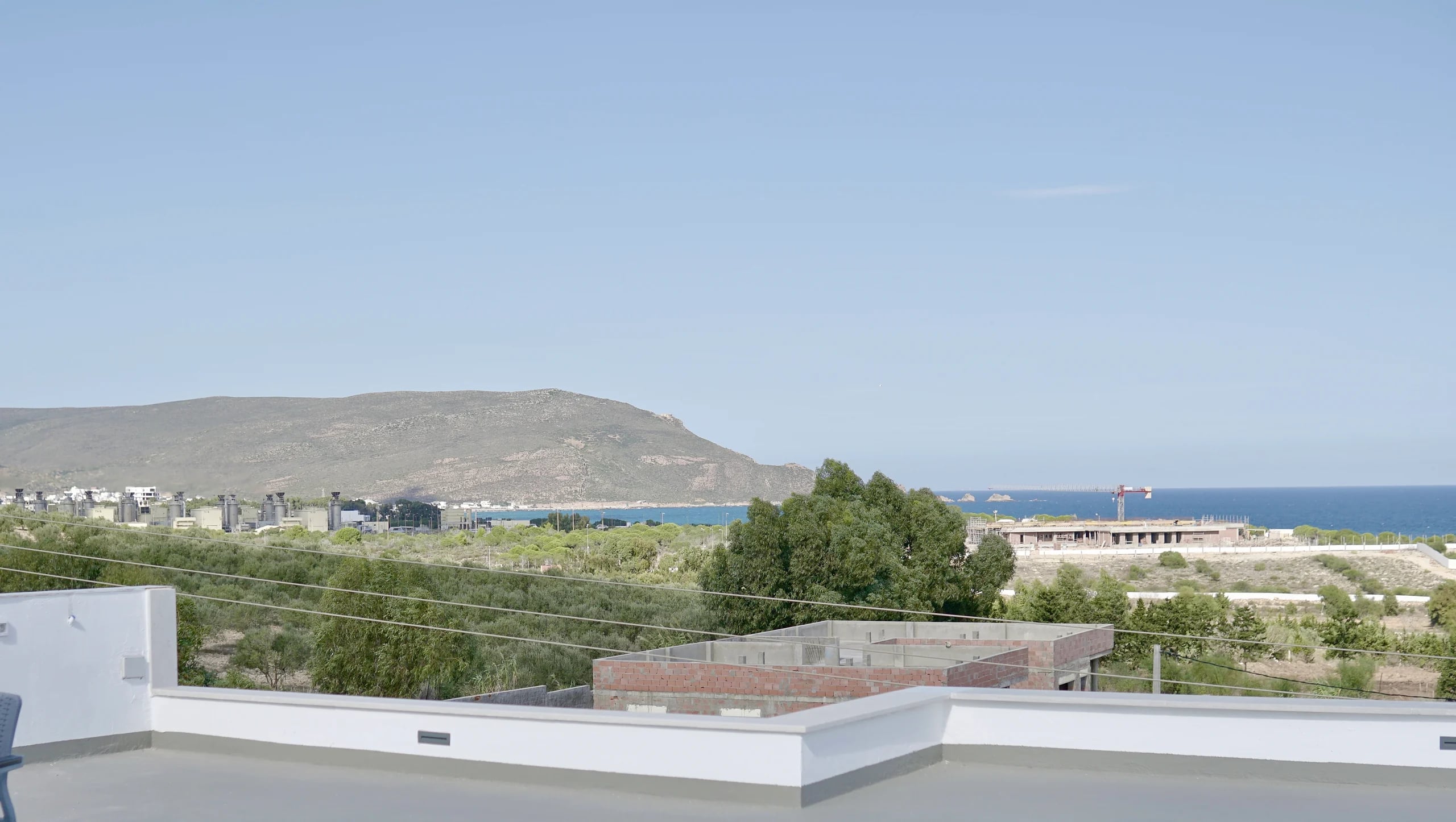
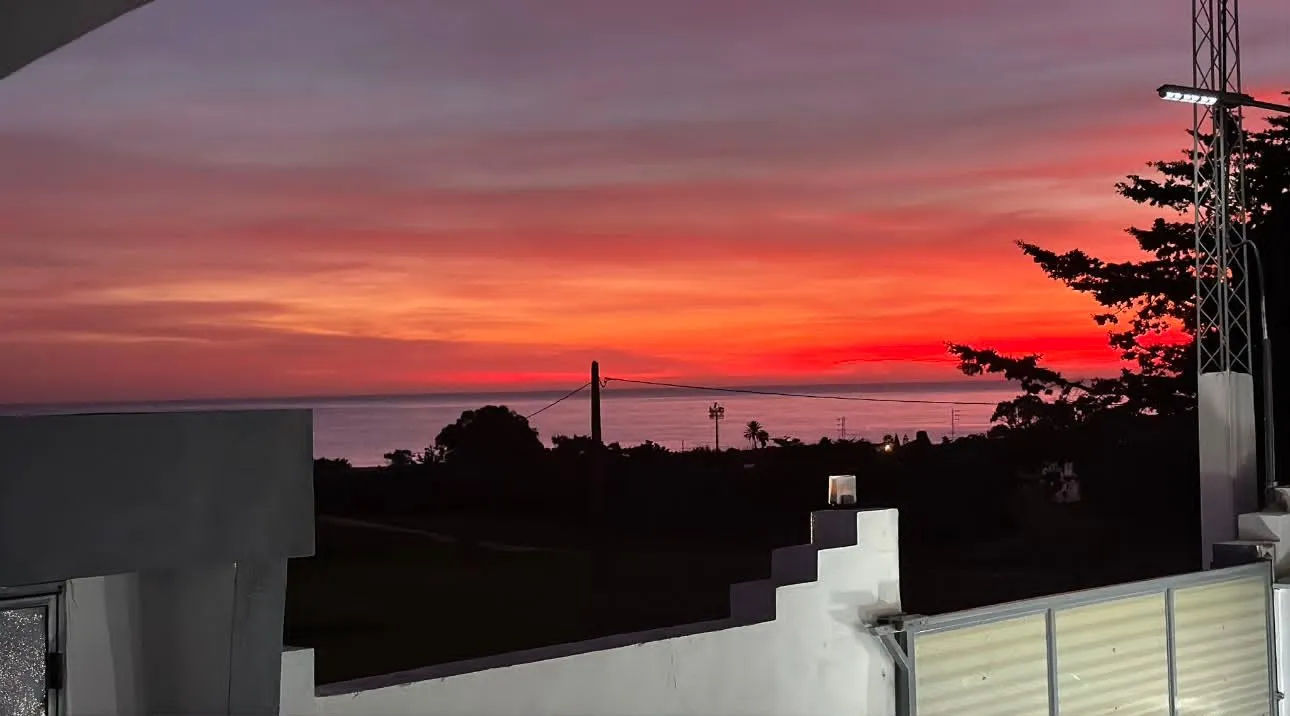
The best time to admire them is at sunset, when the island stands out in silhouette against an orange sky: from the coast, or from the residence's roof terrace.
Turquoise coves and sandy beaches
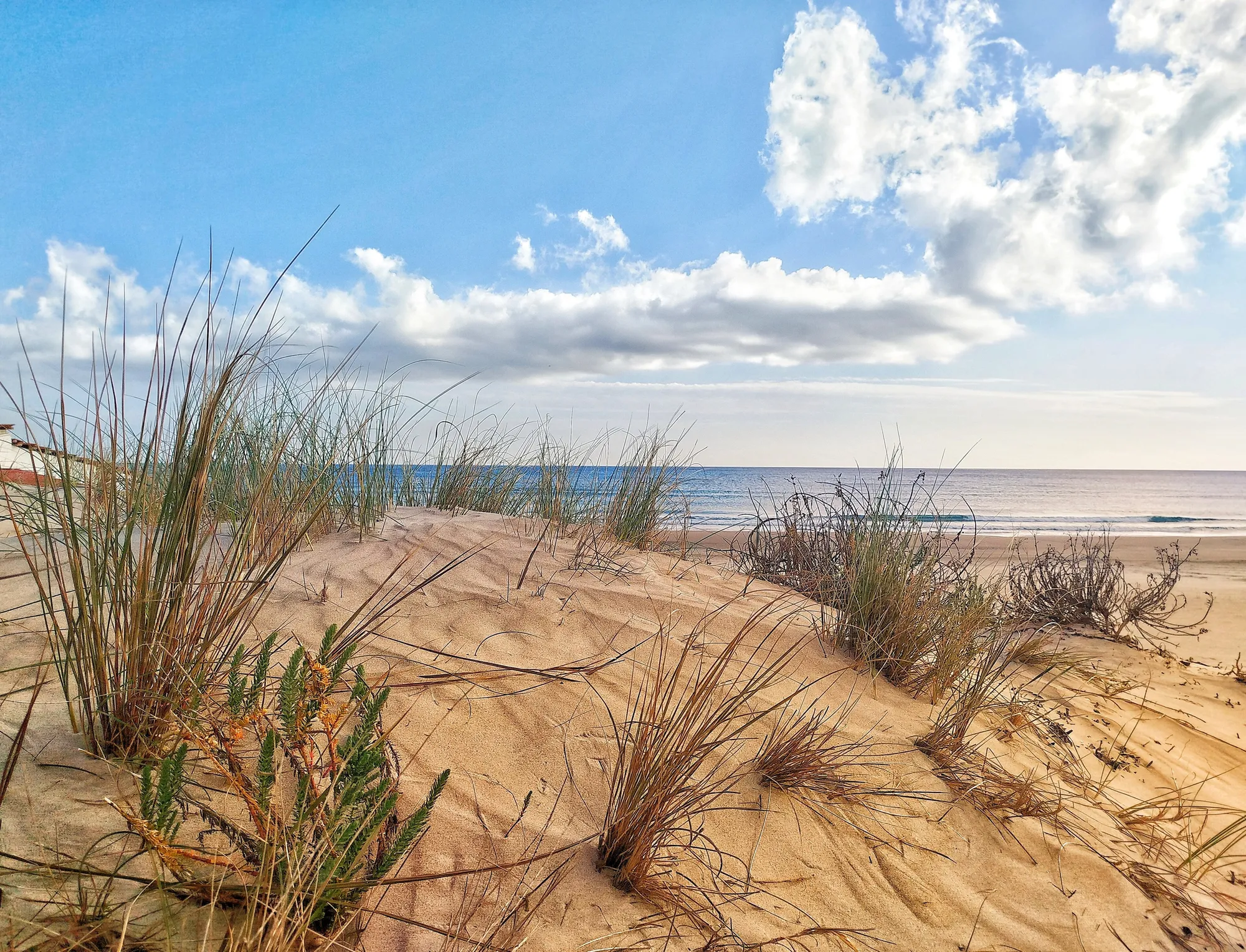
By the sea, El Haouaria alternates long sandy beaches lined with dunes and small rocky coves where the water is astonishingly clear. The nearest beach is 200 metres from the residence, on foot.
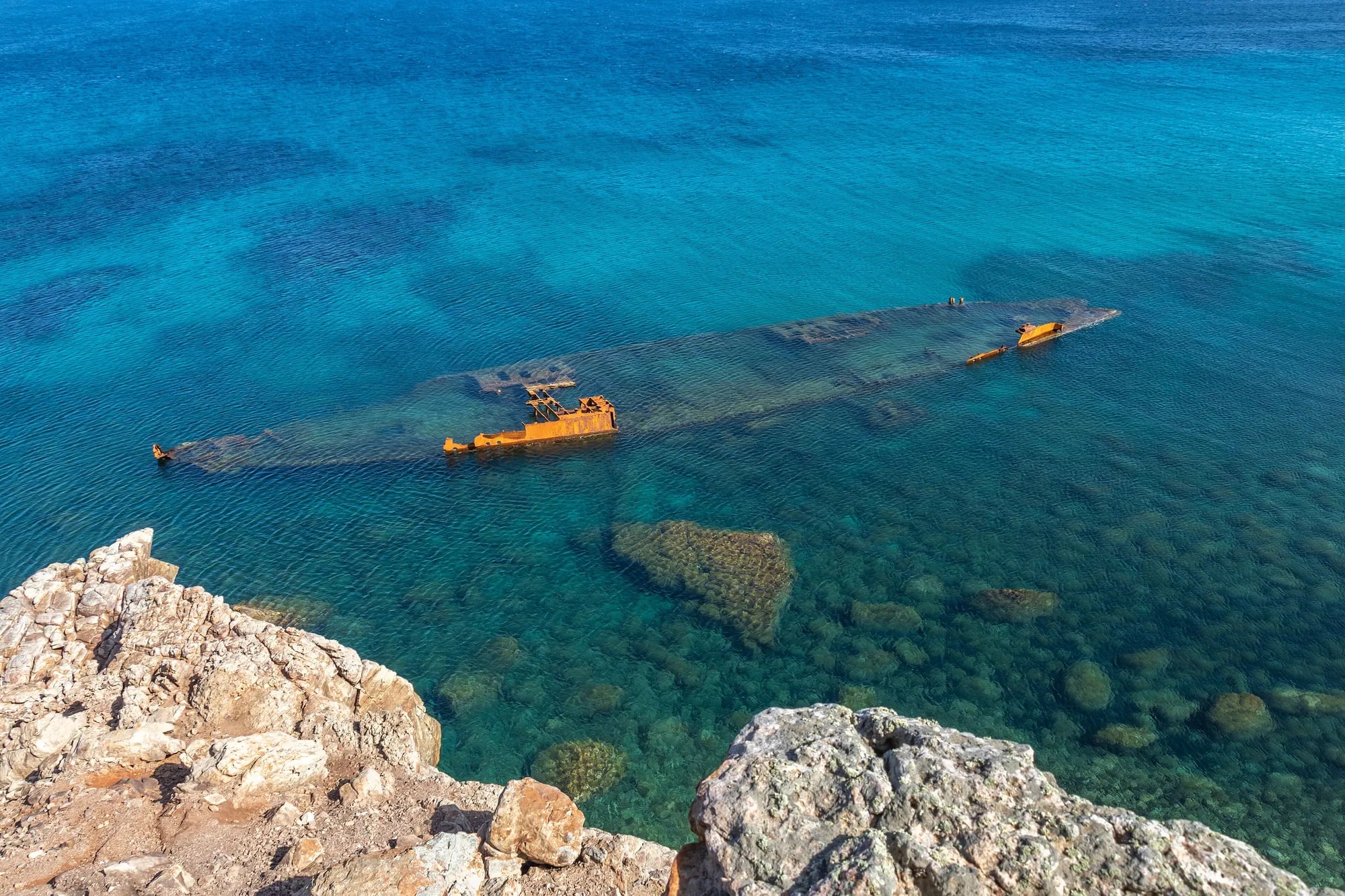
Along the cliffs, a mask and snorkel are all you need to explore the seabed; a few metres below the surface you can even see the hull of a stranded boat. To see the coast from the water, the residence arranges boat trips.
Kerkouane, the Punic city
About thirty minutes to the south, Kerkouane is one of the few Punic towns to have come down to us: abandoned in the 3rd century BC, it was never rebuilt by the Romans. A UNESCO World Heritage site, it still shows its streets, its houses and their bathrooms, facing the sea.
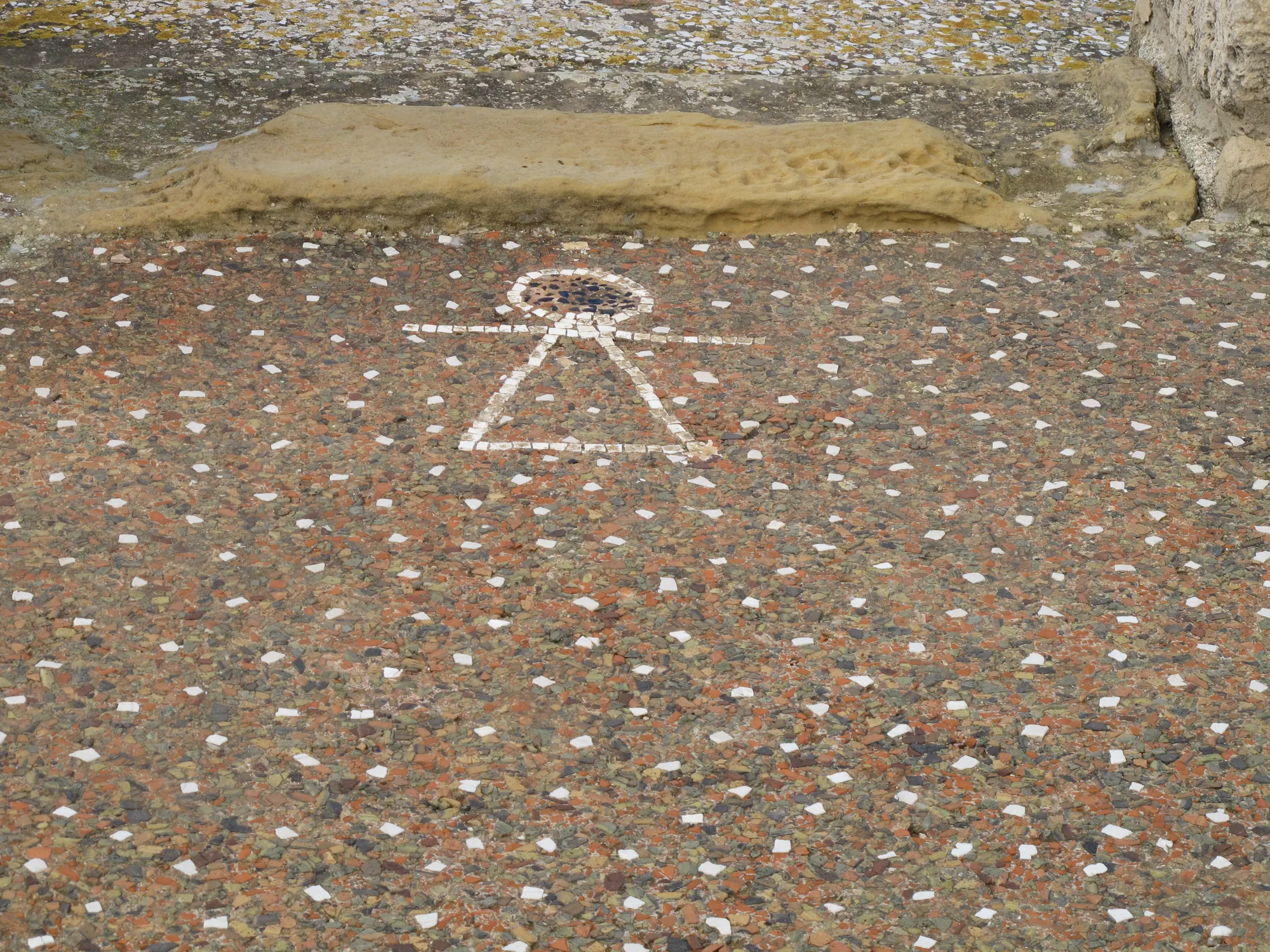
Look on the ground for the sign of Tanit, the protective goddess of Carthage, set in white tesserae at the entrance of a house.
When to come?
Spring for the birds, the flowers and hiking; June for the Sparrowhawk Festival; July to September for the sea; autumn for mild weather and calm. El Haouaria is about 1 h 30 by car from Tunis-Carthage airport.
Résidence Ben Romdhane welcomes you in its apartments between the sea and the olive trees, breakfast included, 200 metres from the beach. From the roof terrace, the view runs all the way to the tip of the cape.
Stay in El Haouaria
Apartments between the sea and the olive trees, 200 m from the beach.